Remarkable Robotics Grades 79 Whitaker Center for Science and the Arts July 24
Introduction
The crumbling population of developed countries forces our societies to embrace change in an effort to provide help to their eldest citizens. The worldwide data (United nations 2017 written reportone; WHO 2012 report2; EU ECHIDATA3; ADI 2015 Written report4; ADI 2016 Report5) shows the dramatic increase of the number of the persons suffering from memory impairments among which the dominant cause is Alzheimer's Disease. The mutual prodromal stage is the mild cerebral impairments (MCI) stage, in which most of the deficits are connected with the memory domain [ICD xhalf-dozen; DSM-V; (1–vi)]. The present active person struggles with the performance of daily activities due to increasing memory bug affecting: maintenance of a fruitful social life, household tasks and completing errands (7–fourteen).
The well-known criteria of the cerebral decline evaluation (ane, 2) does not ever reverberate subjectively-reported difficulties in everyday functioning. The increasing number of persons suffering from retentivity decline which is however in the range of age-associated retentivity impairments (AAMI) is observed. The same is connected with the ceiling event of the screening tools used amid persons with a higher educational activity who remain active in many fields of everyday functioning i.due east., ane who, despite former historic period, still works or continues their education (15). Such a phenomena is described as the Einstein effect and is connected with a significant decline of the cerebral functions of the individual but not classified every bit MCI (16). For this group of persons the observed difficulties are interfering with their everyday tasks but due to the developed mnemonic techniques they are nevertheless able to part at the average for their historic period level. Problems are observed if they accept to cope under pressure or multitask (17–19).
Like functioning is observed among persons with diagnosed MCI. Physical and mental tiredness, increased stress level and a need for multitasking negatively influences the capacity of the working retentivity and therefore the execution of everyday tasks (twenty). Information technology is worth remembering that for a person with retention impairments most of the activities, even if typically automatic, constantly remain in the loop of active and conscious processing (21–23). Otherwise the less significant steps of the executive action are forgotten or performed inadequately.
Observed aging of the developed countries' societies (United nations 2017 study1; EU ECHIDATA2; (7); Un 2015 reportseven; United Nations 2017 revisionviii) forces the development of the alternative ways to support their citizens. The majority of their oldest population struggles with the increasing loss of independence due to growing physical impairments combined with memory deficits (WHO 2012 reporttwo; ADI 2015 Report4; Alzheimer's Association 2014 study9). Due to demographic changes observed in developed countries the need for supporting man caregivers with robotic aids is increasing (24–xxx). Such a mode of support has been investigated and adult in Nihon where the robotic assistants are used in gild to decrease the caregiver's burden with tasks such as lifting, monitoring the patients' action and providing the company combined with cognitive exercises [RIKENten; (31–34)]. This arroyo is currently investigated within European countries as well (HOBBIT projection11; RAMCIP project12).
Based on the results of the Executive Summary World Robotics 2016 Service Robots report (Executive Summary World Robotics, 201613) the estimated number of service robots currently in apply worldwide is 5,400,000, among which only 4,713 are described as devices for disabled persons (handicap assistance robots). The forecast for 2016–2019 is that the full number of service robots will increase by 42,000,000 new devices out of which eight,100 are going to exist dedicated devices for helping in performing everyday tasks at home in a more sophisticated manner (robot companions/administration/humanoids). The service robots can be clustered into a subgroup of socially assistive robots which can be of a service blazon (performing detail tasks to facilitate everyday functioning) and companion blazon (serving as entertainment and cognitive stimulation) (35).
In current robotic research, user opinion is at the center of attention (36–43). This tin be analyzed in 2 means: either by multiple tests with the subsequent versions of the device or by examining user requirements followed with prototype testing and later with testing of the last version of the device. The early tests on the crude version of the device likewise equally the drove of the user requirements are usually performed with the involvement of multiple groups i.e., professionals in the field, cease-users and the other interested parties (24, 44–49). The results obtained are introduced into the later design of the robot's compages. The multistep evaluation procedure monitors the real impact on device evolution and directly moderates the concluding production's functionalities and outlook. The details of the evaluation methodology are presented in Effigy 1.

Figure ane. RAMCIP evaluation procedure.
The theoretical bases for human-robot interaction (HRI) evaluation are relatively recent and originate from research on computer feet (50–54) and social psychology (46, 48, 52, 55, 56). I of the first theoretical works designed for the prediction of informational engineering credence and usage was Applied science Acceptance Model (TAM) by Davis (57). The master features that, according to the author, have an impact on the actual usage of the device are: perceived ease of use, perceived usefulness, attitude, behavioral intention to use. Despite the passing years, the newly developed models were using TAM as a core and added new variables to the chief model (58, 59). The newest theoretical approach is Unified theory of acceptance and utilise of applied science (UTAUT) by Venkatesh et al. (60) and distinguishes: performance expectancy, try expectancy, social influence and facilitating conditions as key variables to the acceptance of the device and therefore to actual apply of the device. The authors revised existing theoretical models and performed the experimental written report to back up their approach. The recent work performed by Alaiad and Zhou (61) adds to the model trust, privacy, legal and upstanding concerns.
It was observed that in the case of socially assistive robots the social model of interaction tin be applied only if the person perceives the robotic banana equally a nigh-to-human partner of interaction (62–64). The interaction has to be simultaneously set at the cerebral and emotional level. The introduced functionalities such as: the interactive interface, communication based on verbal and non-verbal channels, the proximity adapted to different job performance, the animated emotional expressions shown by multimodal brandish and prosody significantly correlate with the length of the voluntary interaction and therefore increase the acceptability of the device (40, 47, 65–68). The accustomed level of the robot's anthropomorphism of the device is on the other paw connected with the well-known uncanny valley epitome introduced past Cheetham and Jancke (69). Not only does the full general appearance of the device have an impact on perceived anthropomorphism but and so too does the manner of movement, besides as speed (63). The need for complementary implementation of all abovementioned features is a far from piddling job and poses one of the most difficult challenges for designers. On one mitt an overly-mechanical device with high anthropomorphic movement and other features is perceived as threatening. But on the other hand an animalistic design combined with the machinelike mode of functioning creates a similar awareness. The cognitive dissonance observed in the person negatively correlates with the will of interaction with the device. This may be connected with subconscious application of the social rules of homo interactions into HRI at the individual level.
A currently-running project (RAMCIP) Robotic Banana for MCI Patients at dwelling, whose main aim is to support contained living of the elderly person with retentiveness impairments by providing proactive help in everyday living at home, claims to meet such demands. The RAMCIP project'due south primary objectives are providing the person with the robotic banana that proactively and discretely monitors the user'southward actions in order to give a needed level of support to prolong satisfying, contained living at domicile. The recent trends in demographics, described at the kickoff of the section, indicate the demand for fast introduction of such a device, that would enhance the homo caregiver in his everyday support provided to the elderly patient. The high operation elderly person with retention impairments, usually with deficits classified as AAMI or MCI, would benefit from RAMCIP due to maintained independence but increased security level. Fast development of the accessible devices, as to price, size and appearance of the robotic assistants gives the chance for prevalent usage of such help within this historic period group. RAMCIP's main features accept been evaluated in correspondence to the above cited UTAUT model and aims to fulfill the needs of the persons described above.
In the example of the RAMCIP project, the initial evaluation of the robot functionalities and design was performed by the groups of medical professionals (doctors and psychologists), formal caregivers and end-users (patients suffering from MCI/early on AD and their caregivers). On the basis of the information analysis, the user requirements were formed (70). The detailed analysis of the RAMCIP design was performed by clinical psychologists and end-users. The required changes in the robot prototype were applied.
The next step evaluation was performed at a laboratory setting. The main software enabling the proper robot operation was written on the basis of the information gathered during experiments devoted to the main robot functionalities. The integrated solutions and the requirements described in the latter paragraph were implemented into the RAMCIP epitome.
The step-by-step evaluation of the RAMCIP prototype has been performed in accordance to the findings cited in the present chapter. First the detailed inquiry on the particular partial features was performed. The assay of the users' acceptance of the speech and facial expressions was performed. The proximity ranges were suggested by the clinical psychologists where the uniqueness of the target population was taken into consideration. The general appearance of the prototype was performed as well. The obtained feedback data was introduced in the RAMCIP prototype and after used for the initial HRI tests. The detailed information on the development of the abovementioned solutions are described elsewhere (71).
Based on the findings of the analysis quoted in a higher place, RAMCIP's current blueprint and functionalities were introduced. The primary area of back up covers those nearly affected by crumbling and memory impairment, such as: reaction to potentially hazardous events, providing help during cooking, monitoring medication intake, provision of the cognitive stimulation and maintaining a positive mood by helping the user to maintain their social network. In gild to facilitate this the robot is equipped with two displays to provide back up for multimodal communication. The upper tablet/display, shows the animated emotional facial expression corresponding to the situation and the verbal comments given by the robot. Simultaneously sentences are also displayed at the lower tablet/display in club to minimize potential misunderstandings. The user can communicate with the robot either by voice, gesture or touch on by choosing the proper response at the lower display. The iconic representation of particular tasks required by the user, facilitates the (HRI).
Additionally, the robot'south pinnacle mechanism and the dexterous paw let information technology to fetch objects desired by the user only in difficult to reach places for an elderly person, such as those which are too loftier or would require significant bending or stooping. Additionally, the mobile platform allows the robot to navigate autonomously in a domestic surroundings.
The inquiry questions set during the present report were devoted to verification of the users' requirements described by Korchut et al. (70) implemented into particular HRI scenarios in terms of:
i. Their perceived acceptability measured by: attractiveness, perspicuity, efficiency, dependability, stimulation and novelty of the robotic assistant
ii. Perceived usability of the robotic assistant measured by: Pragmatic Quality (PQ), Hedonic Quality Identification (HQI), Hedonic Quality Stimulation (HQS), and Attractiveness (ATT)
iii. Establishing the level of the societal bear upon of the robotic assistant perceived past the participants.
The cess was focused on the RAMCIP prototype functioning and the level of its perceived acceptability, usability and societal bear upon past the end-users. The functioning of the RAMCIP prototype user'south back up had been assessed with standardized questionnaires: User Experience Questionnaire (UEQ) (72–76) and AttrakDiff, as well as a especially-created societal impact survey. The data (UEQ and AttrakDiff) from 9 healthy and 8 MCI participants had been obtained. X good for you and 7 MCI patients gave their feedback information in a societal impact survey.
Methodology
The Recruitment Procedures
The participants of the RAMCIP prototype evaluation trials consisted of the elderly volunteers, inhabitants of the Lublin voivodeship. The participants suffering from the MCI were the patients of the Section of Neurology. The participants were not paid for their contribution in the trials.
The information about the upcoming trials was circulated by the local media and the coauthors. The study protocol was positively reviewed past the Medical University of Lublin Ideals Commission (KE-0254/247/2016). The blessing for the tests' execution was granted.
The volunteers were assigned the particular dates of the screening visits. The screening consisted of medical and psychological cess. Based on the results of the examination participants were enrolled to the trials or declined. Prior the screening procedures the informed consent was signed and the purpose of the trials was explained in detail.
Inclusion and Exclusion Criteria
The main inclusion criteria were gear up to include the elderly persons (in the range 55–90 years old, both genders) with and without memory impairments. The criteria of Alzheimer Disease (AD) and MCI proposed past McKhann et al., Albert et al., and Petersen (1–3) were applied. The level of the cerebral functions kept was within the range enabling the relatively mild impaired independent operation (Mini-Mental State Examination ≥ xx, Clinical Dementia Rating scale ≤ one, Global Deterioration Scale ≤ iv).
The primary exclusion criteria focused on eliminating the persons with conditions reflecting on the cognitive operation, but non related to the AD nor-MCI such as mental retardation, psychotic syndromes, depression, untreated metabolic disorders, or substance abuse.
The main issue underlined during the recruitment was the ability to declare the informed consent and communication with the personnel.
The Setting and Execution of the RAMCIP Prototype Cess
The clinical awarding of the robotic assistant RAMCIP, i.e., the start tests of the HRI, was conducted in the semi-controlled environment at the premises of the Department of Neurology, Medical University of Lublin, Poland. The trials were performed from December 2016 till March 2017. The participants (10 healthy elderly persons and 8 patients with mild cognitive impairments) were performing a number of pre-divers employ case scenarios in which typically observed problems in everyday functioning had been addressed. During the scenarios, RAMCIP facilitated users in medication intake, repast grooming and advice with a relative. RAMCIP as well reacted to potentially hazardous events. RAMCIP's mobile platform and elevation mechanism enabled reaching high spots and in a proactive manner, supporting in this style the user'south activity. Required objects could exist fetched by a dexterous manipulation hand. The implemented interface allows the user to communicate in an intuitive and comfortable way with RAMCIP and the external persons.
The proposed use instance scenarios (7 in total) were amassed into typical everyday activities such as: cooking, leisure fourth dimension, medication intake or social interaction. The length of the one-time scenario execution varied:
- Fall detection ~3–v min
- Assistance in turning off electrical appliance ~10 min
- Assistance upon detection of abnormalities related to electric appliances during cooking ~10 min
- Assistance (proactive/on demand) for fallen objects ~7 min
- Taking medication/nutrient supplements- reminders, brining and monitoring ~fifteen min
- Proactive bringing of a canteen of water ~10 min
- Proactive communication with relatives and friends ~5 min
During this fourth dimension the post-obit activities were performed: the introduction to the SubUse case scenario (SubUC) past the researcher, the participant'south questions were resolved, and the SubUC execution. The SubUC were run at least twice with each participant.
Information technology was possible to take breaks between the fulfilled scenarios. The scenarios were executed during the organized sessions taking upward to 3 h of HRI. During the execution of the activities the researcher was present in the room. Afterward performing of all planned scenarios the participant was asked to assess RAMCIP by fulfilling pen-paper questionnaires. The researcher was available to the participant during the trial execution and the follow-upward procedures.
The example of the scenario of the highest importance may exist medication intake during which RAMCIP monitors, reminds, and physically helps the user in fulfilling the fixed-in-fourth dimension activity which is medication intake. The common verbal advice is supported past gesture recognition and the execution of the commands by bear on at the lower RAMCIP tablet. The robotic assistant initially reminds the user of the set of activities and, if declined, informs the caregiver past sending a text message of the user'south reaction. If the user supports the action simply shows loftier fatigue RAMCIP offers physical assist with fetching the pillbox to the user. After performing the medication intake, which is monitored past RAMCIP, the pillbox may be placed dorsum either by the user or by the robotic banana.
Another scenario of loftier importance is meal preparation. RAMCIP provides assistance by monitoring the cooking area and reminding the user about switched-on equipment i.e., cooker. RAMCIP notifies the user if the object is detected on the floor. The scenario is supporting independent meal grooming decreasing nearly common hazards connected with typical functioning of the elderly person with memory impairments.
RAMCIP'southward background function is responding to chancy events such as a fast change in the user'southward position indicating a autumn or increased fatigue detected in the person's gait.
Statistical Methods Applied
The information gathered was analyzed with SPSS 22. The descriptive statistics for the demographic, psychological and questionnaire information were performed. The normality of distribution was tested with W Shapiro-Wilk. Depending on its results the parametric (contained t-test) or not-parametric statistics (U Mann-Whiney) were applied. The effect size understood as: mensurate of the magnitude of the result independent of sample size (77, 78), was verified using d Cohen and the consistency of the results distribution (79) checked with the alfa coefficient.
Participants Profile
During the tests, the psychological and medical assessment had been performed and the general demographic data had been gathered. The normal distribution of the values for age and instruction has been verified using W Shapiro-Wilk, with which the normality of distribution has not been confirmed. There have been no statistical differences betwixt groups in terms of historic period, education level and the gender distribution (age U = 34, p > 0.5, d Cohen = 0.26; education level U = 35, p > 0.5, d Cohen = −0.21; gender distribution U = 37, p > 0.5). Both groups' samples consisted of the participants with eleven–16 years of education and 60–81 years one-time. The gender proportion has been balanced within groups (salubrious F/M = seven/3, MCI F/1000 = v/3) corresponding the gender distribution observed within the population of Alzheimer-diseased patients.
The participants underwent psychological assessment to utilise the proper group qualification according to the level of their cerebral functioning and the existence of the memory impairments. The standardized, well-known tools of assessment had been used (Mini-Mental State Examination, Clinical Dementia Rating scale, Global Deterioration Scale) (eighty–82). The tools of psychological assessment used are standardized and well recognized tests with the Polish language version. The normal distribution of the values for MMSE, CDR, and GDS has been verified using W Shapiro-Wilk, with which the normality of distribution has non been confirmed.
The results obtained by participants in the screening were significantly dissimilar in terms of global cognition and ADL scales (MMSE U = 1.5, p < 0.01, d Cohen = ii.21; CDR U = thirteen, p < 0.01, d Cohen = −1.73; GDS U = x, p < 0.01, d Cohen = −one.93), which confirms the acceptable grouping selection procedure.
The boilerplate salubrious participant would endure from AAMI that do not interfere significantly with his daily activities (CDR median = 0, GDS = 2). Presented by him/her, the level of global cognition is MMSE WS = 27.five point. The average participant from the MCI group suffers from the memory impairments that interfere with his daily activities (CDR median = 0.5, GDS median = 3) and his/her global noesis level is MMSE WS = 25 points.
None of the participants fulfilled the criteria of low (Geriatric Low Scale two–4 points within all the sample).
The Methods of Assessment Applied Within RAMCIP Prototype Evaluation
In social club to evaluate the RAMCIP attractiveness and acceptance, the UEQ14 had been practical (72–76). The scale consists of 26 pairs of adjectives measured on the 7-bespeak Likert scale clustering in six scales (attractiveness, perspicuity, efficiency, dependability, stimulation, and novelty).
UEQ scales should be understood equally:
• Attractiveness: Overall impression of the product. Do users like or dislike the production?
• Perspicuity: Is it like shooting fish in a barrel to get familiar with the product? Is information technology easy to larn how to use the product?
• Efficiency: Tin users solve their tasks without unnecessary endeavor?
• Dependability: Does the user feel in command of the interaction?
• Stimulation: Is it heady and motivating to use the product?
• Novelty: Is the product innovative and creative? Does the production take hold of the interest of users? (75, 76).
The questionnaire was filled in past the participant in a paper version. Overall information from nine healthy participants and 8 MCI patients had been gathered.
In order to evaluate the RAMCIP usability the AttrakDiff Questionnaire15 had been practical. The questionnaire consists of 28 pairs of adjectives on the seven point Likert scale clustering in 4 subscales.
The AttrakDiff scales should exist understood as:
• Pragmatic Quality (PQ)—usefulness and usability of the device,
• Hedonic quality [Identification (HQI) and Stimulation (HQS)]—include emotional needs, such equally curiosity, and identification
• Bewitchery (ATT)—is based on the combination of pragmatic and hedonic factors (AttrakDiff Questionnaire15).
The questionnaire had been performed as a pen and paper test and later the records were transcribed into the online cess tool. Overall, the information from nine healthy participants and 8 MCI patients had been gathered. One participant refused the fulfillment of the evaluation questionnaire.
The questionnaires used for the RAMCIP evaluation take been translated for the purposes of the project. The original authors' credence has been obtained for the process of translating the scales to the Smoothen version. Justyna Gerłowska gained approving for the UEQ Polish translation. The official Polish version is available at world wide web.ueq-online.ogr. Sebastian Szklener gained the approval for AttrakDiff usage for the purpose of the RAMCIP project.
The statistical analysis of the data gathered consisted of the normality of distribution testing with W Shapiro-Wilk. Depending on its results the parametric (contained t-test) or non-parametric statistics (U Mann-Whiney) were applied. The issue size and the consistency of the results distribution were checked with the alfa coefficient.
Results
Acceptance
The descriptive statistics for the UEQ subscales: Attractiveness, Perspicuity, Efficiency, Dependability, Stimulation and Novelty have been performed. The detailed results may be constitute in Table ane.

Table i. The distribution of the UEQ subscale values for RAMCIP evaluation.
The results obtained from the preliminary RAMCIP evaluation by the users evidence a high level of acceptance among several UEQ subscales. The corresponding graphs may exist seen in Effigy 2.
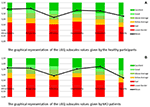
Effigy 2. (A) The graphical representation of the UEQ subscales values given past the healthy participants and (B) the graphical representation of the UEQ subscales values given by MCI participants.
The results testify a positive evaluation of RAMCIP within several UEQ scales. No statistical differences betwixt groups in all the subscales have been reported [t (15) > −1.23; p > 0.23; U > 21.5; p > 0.17]. The results are depicted in Tabular array 1.
The scales consistency for healthy participants is alfa coefficient >0.75 for all the subscales except Novelty (alfa coefficient = 0.32) and Efficiency (alfa coefficient = 0.62). For the MCI participants all subscales met alfa coefficient 0.6–0.74. Therefore the results should exist treated as reliable. The reported outcome size is small for all subscales except of Novelty. Due to the low scale consistency information technology is possible that the reported consequence size was biased by the sample size.
The abovementioned results, suggest that RAMCIP meets expectations of its target population in terms of acceptance and that the functionalities that accept been implemented are perceived as desired and fulfilled in the design of RAMCIP. The relatively low value of the efficiency subscale may be connected with the developmental level of the projection and will be treated as a guideline for the final RAMCIP version.
Attractiveness subscale values may reflect apprehensiveness of the participants and expectations of receiving more than compact solution. They as well may be connected with an unrealistic ideal robot prototype, based on the images known from films. On the other mitt, the developmental state of the project allows providing some desired changes.
Usability
The results obtained do non differ significantly amid the groups [U > 16.5; p > 0.06, and t (fifteen) > −0.46; p > 0.ane] except for: isolating—connective [U = 12; p = 0.02; d Cohen = 1.61], repelling—highly-seasoned (U = fourteen; p = 0.03; d Cohen = 1.iii), novel—ordinary (U = 14.5; p = 0.04; d Cohen = i.25]. The strong effect size has been observed for: pleasant—unpleasant (U = 24.5; p = 0.29; d Cohen = 0.68), inventive—conventional (U = 26.v; p = 0.87; d Cohen = 0.61), applied—impractical (U = 26.5; p = 0.87; d Cohen = 0.49), likable—disagreeable (U = sixteen.v; p = 0.07; d Cohen = 1.06), stylish—tacky (U = 26.5; p = 0.39; d Cohen = 0.58), predictable—unpredictable [t (15) = 1.vii; p = 0.1; d Cohen = 0.82], alienating—integrating [t (15) = one.iii; p = 0.21; d Cohen = 0.64], brings me closer to people—separates me from people [t (15) = 1.17; p = 0.26; d Cohen = 0.57], unimaginative—creative (U = 19.v; p = 0.12; d Cohen = 0.91), innovative—conservative (U = 20; p = 0.14; d Cohen = 0.86), motivating—discouraging (U = 25.5; p = 0.34; d Cohen = 0.56).
The results obtained have low subscale values and coefficient values which should advise reluctance of the participants to give polarized opinions (PQ salubrious = 1.32; alfa coefficient = 0.59; HQ healthy = ane.25; alfa coefficient = 0.53; PQ MCI = 0.77; alfa coefficient = 0.61; HQ MCI = 0.67; alfa coefficient = 0.38). The abovementioned result may exist likewise caused by the small group size and diverse opinions.
The results propose meeting the desired usability performance from a robotic banana such equally the RAMCIP service robot [Pragmatic Quality (PQ), Hedonic Quality Identification (HQI), HQS, and Attractiveness (ATT)]. Due to the small-scale size of the sample, the results should be treated every bit an indicator simply not definite opinion on RAMCIP product.
Societal Bear upon
For the purpose of the RAMCIP project, the authors in cooperation with sociologists from the University of Warsaw developed an exploratory survey of the opinion of the people who have relevant feel or are currently taking intendance of people with dementia. The survey was distributed during the tests after HRI among the healthy participants and the MCI patients. The master aim of the survey was to evaluate the assessment tool and as well get together boosted information about its performance. For the purpose of this study, the results of the perceived potential benefits of the utilise of the RAMCIP service robot at the MCI patient's home are going to be presented. The particular items with the descriptive statistics may exist seen in Table 2.

Table 2. The societal impact inventory assay.
The majority of participants had prior experience as a caregiver of a person with retentivity impairments or were enlightened of the amount of aid they needed in everyday performance. The abovementioned was not an intention of the researchers but should be treated as an added value that came to lite during performing the surveys. Overall the information from 10 healthy participants and 7 MCI patients has been gathered. One participant refused the fulfillment of the evaluation questionnaire.
The results obtained do not differ significantly among the groups [U > 19; p > 0.13; and t (15) > −0.48; p > 0.iii]. As mentioned, some of the participants from the MCI group had prior experience as a caregiver also as existence able to relate the questions to their own state. Therefore the results obtained were treated as acquired from the unified group.
The descriptive statistics of the sub-questions within the grouping have been performed. The results are presented in Table two.
Based on the results obtained, and in particular the sub-questions generalized into the clusters mentioned below, the participants perceived the implemented solutions equally:
• non-obtrusive (47–58%),
• decreasing caregivers' brunt (41–53%),
• enhancing everyday functioning of the patient by: facilitating communication 41–47%, positively influencing the mood and behavior of the user 41–47%, positively influencing the functioning of the user 41–52%.
It is worth underlining that 76.5% of participants strongly agreed that the RAMCIP presence would enhance the user's security and 53% that it would do good his/her quality of life.
Discussion
The results presented herein suggest the complexity of the clinical awarding of the robotic assistant and multi-factored acceptability and usability procedure. The approach taken past the authors resulted in in-depth analysis of the research questions asked.
In terms of acceptability both groups similarly assessed RAMCIP. The robotic assistant was perceived as liked and piece of cake to get familiar with. The results obtained show skillful and higher assessment of the robotic assistant design. RAMCIP was also perceived as a stimulating and controllable device. Both groups underlined its potential in the everyday rehabilitation of the person with retentiveness impairments. Participants differed in terms of perceived efficiency and novelty of the robotic assistant. It may be connected with the previous feel with new engineering science and dissimilar level of expectations.
In terms of usability the participants were more reserved with their assessment and underlined the necessity of the longer interaction in guild to verify the subjective value of the device. The good for you participants were more open with their responses but the results obtained did not differ significantly between the groups. The results obtained show a tendency to perceive a robotic assistant as a useful, pragmatic and hedonic quality device.
In terms of societal affect of RAMCIP the implemented functional requirements presented by Korchut et al. (70) were perceived as met. The high priority functionalities implemented into everyday scenarios were perceived by the participants as significantly beneficiary to the patient's health and wellbeing. The introduced functionalities were perceived equally significantly increasing the patient's safe justified precautions.
Factors Influencing the Perceived Attractiveness and Usability
The perceived attractiveness and usability of the device depend on multiple inter- and intrapersonal factors (46, 47, 63, 65, 83–91). The general user's characteristic such as: gender, age, level of self-efficacy, previous experience with new engineering science have their direct influence on the stance given (36–38). The Technology Acceptance Model proposed by Davis (57–61, 57) includes them in the group of prior factors and contextual factors. The prior experience gained has significant indirect influence on the final technology'south actual usage especially in the oldest age groups (36). The correlation between age, gender, education and the frequency of the mod engineering science usage has been observed also (36, 37, 53, 54). The users with the well-nigh experience and, therefore, the everyman levels of anxiety combined with the highest levels of cocky-efficiency are called "silver surfers." They present the inner motivation to apply the newest land-of-the-fine art technologies to enhance their everyday functioning. This group is not representative of the general population clustering of the persons with the highest teaching level, better health, college incomes and higher levels of cognitive abilities (90). On the other paw, they are most likely to hold to the HRI peculiarly if information technology involves the tests in the users' home environs. The level of the self-efficacy in the calculator usage corresponds with the will of participation in the HRI. In light of such an event it is worth remembering that focusing on the group with the nigh frequent contact with new It solutions may falsify the results of the acceptability and usability of the device if generalized to the normal population.
Recent studies underline the importance of the holistic evaluation of the products such equally robotic administration in terms of their attractiveness, acceptability and usability (42). The link between the perceived usability and the acceptability has been shown to influence the final purchase and usage of the evaluated device. The price of the device is important too (36–38), therefore the societal bear on should be investigated equally well. On the other paw, the observed and widely investigated theory of attribution in social psychology has its implications in the usage of the state-of-the-art technology. The correlation between the opinions of the close circumvolve of friends and relatives and the bodily usage of the device has been reported (36, 37).
Bias Observed Within the Robotic Assistants Assessments
The literature review performed shows that there are significant differences inside the forcefulness of the correlations' influence within the grouping of experts, students and the target terminate-users resulting in strong bias (58). The generalization of the results gained from the group of experts may issue in misassumption of the importance of the proposed solution. Therefore it is essential to include in the evaluation process the targeted group members. The homo-centerd approach applied in the present-day robotic enquiry aims to enhance the chances of positive evaluation of the final production. Reaching the representative members of the target group population, specially in the instance of the elder generation, is far from a fiddling job. As reported in studies on figurer anxiety (53, 54, 89, 90) the elderberry population is heterogeneous in terms of reported frequency and previous feel with data technologies. On this basis, information technology is essential to provide a various group of users not just in terms of full general features like gender, pedagogy level and economic status, but in terms of the perceived self-efficiency too.
Application of the Theoretical Inclination Into RAMCIP Evaluation Process
All of the above accept been thoroughly implemented during RAMCIP image evaluation. No meaning differences in terms of age, gender and education level has been reported amongst the end-user groups. The average RAMCIP HRI participant clusters in the group of elder persons (lx+ years old) with a medium to college instruction level. The proportion of men and women has been balanced inside the groups correspondingly to the observed proportions in the population suffering from Alzheimer's disease. The participants' sample differed in terms of It usage and the perceived self-efficiency in computer usage. The reported variety did non influence the perceived ease of utilise of the device. The functionalities available at the image were assessed past all the participants at an equal level. The difference in experience with the new technologies may be reflected in the low consistency of the UEQ Novelty subscale.
The societal impact survey'south results indicate a high level of perceived usefulness and demand of implementing the robotic assistant in the area of the elderly persons with retentivity problems. Therefore, the results obtained may advise a potential of a high level of actual use of the device.
Study Limitations
The results described above are based on minor groups, therefore the results obtained may be biased past the grouping size consequence. The reported scale consistency advise medium to loftier internal consistency. Due to small group size it is non possible to eliminate its possible influence on the values reported. The full general trend reported within the study is that at that place are no significant differences between the groups in terms of the robotic assistant acceptability, usability, and its societal bear on. The size issue reported suggests existing items of medium effect. The further investigation of the evaluation arroyo taken will be introduced during the pilot trials with the 2d version of RAMCIP. More than participants are going to be invited to the study, therefore the reported limitation herein volition be decreased.
Conclusions
The evaluation of the RAMCIP prototype shows the high acceptance and societal bear upon of the device at hand combined with the perceived usability in the range of the neutral opinions. The declared readiness for the further participation in the project given by most of the participants was connected with curiosity of the final RAMCIP robot development. Based on previous findings, the bewitchery of the production ranged every bit valuable by the users, increases with the length of the interaction, which is supported also past the trends observed in the initial tests with the RAMCIP last version. As underlined by the participants the neutral opinion on the usability of the device may be replaced by commitment during longer HRI. The current results may bespeak the effectiveness of the approach in the design of the robotic banana which resulted in the minimization of the level of negative attitude toward the new device. The combination of the desired functionalities and their design fullfills the expectations of the target grouping.
The current stage of the projection is reflected in non-decided responses in the usability scales and efficiency subscales. The needed revisions are going to be introduced in gild to provide the user with seamless HRI with the terminal version of RAMCIP.
On the basis of the literature review and the obtained results, the post-obit recruiting strategy would exist implemented in social club to provide the most reliable results possible in order to exist applicable for the general population of the elderly persons suffering from retentiveness impairments:
• the approach taken and so far to evaluate the acceptability, usability and societal bear upon will be continued,
• the boosted structuralized evaluation of the self-efficiency and readiness to new technologies will be introduced,
• special efforts are going to be applied in society to include in the sample the individuals with unlike attitudes toward new technology.
Ethical Bug
The study protocol was positively reviewed by the Medical Academy of Lublin Ethics Commission (KE-0254/247/2016). The approval for the tests' execution was granted. The participation was voluntary and anonymous. All subjects gave written informed consent in accordance with the Annunciation of Helsinki.
Glossary
• acceptability- the demonstrable willingness within a user grouping to employ technology for the tasks it is designed to support (ISO)
• usability- the extent to which a product can be used by specified users to achieve specified goals with effectiveness, efficiency and satisfaction in a specified context of use ISO 9241-11
• societal bear on- the potential bear on on the private'due south socioeconomic state of affairs and the general societal groundwork changes in the case of the device introduction
• socially assistive robot- the robotic device designed for personal use in order to provide stimulation to the human user and facilitate in keeping the social network, maintain, or raise the level of cognitive functions and quality of life
• HRI—the interaction between human and robot in which both parties remain agile and in which the robot is perceived as a social agent. Human and robot share job execution and may collaborate to synchronize their actions (44)
• digital dissever—the significant divergence observed amidst young adults and older adult generation toward new technologies: the frequency of its usage, perceived usability and ease of use
• argent surfer- the person older than 65, extensively using the Cyberspace and the land-of-the-fine art technology in lodge to increment his/her quality of life. The technology is perceived equally a tool for better everyday operation, the primary purpose of its use is to compensate the observed impairments of the person due to aging processes
• uncanny valley prototype—M. Mori'southward theory on robotic acceptance stating that the level of anthropomorphism of the device influences the attitude of the person toward it. The U-shaped curve of increased feet is continued with the too mechanical and also humanoid outlook of the robot. The everyman levels of negative emotions provoked in the person were too observed if inconsistencies in the robot's behavior and advent were minimalized (mechanical with human-like movements or humanoid with machine-like movements).
Author Contributions
JG: substantial contributions to the conception, design of the work, data acquisition, analysis, interpretation of data for the work, drafting the work, and last approval of the version to exist published; United states, KG-A, AK, SS: contributions to the formulation, design of the work, substantial contribution to the data acquisition and final approval of the version to be published; DS-Southward: contributions to the conception and design of the RAMCIP project; DT; contributions to the conception and design of the RAMCIP project, revising critically data for the work for important intellectual content, and final blessing of the version to be published; KR: contributions to the formulation, pattern of the piece of work, revising critically data for the work for important intellectual content, and final blessing of the version to be published. All authors agreed to be accountable for all aspects of the work in ensuring that questions related to the accuracy or integrity of any part of the work are appropriately investigated and resolved.
Funding
This study was supported by the European Commission nether Horizon 2020 (European Marriage Inquiry and Innovation programme PHC-19-2014: Advancing agile and salubrious aging with ICT: Service robotics within assisted living environments; Grant number: 643433).
Disharmonize of Involvement Statement
The authors declare that the research was conducted in the absence of whatsoever commercial or financial relationships that could be construed as a potential disharmonize of interest.
Acknowledgments
We would like to give thanks all RAMCIP consortium partners, especially CERTH (Ph.D. Ioannis Kostavelis, MS Georgia Peleka, MS Andreas Kargakos, and MEng Iason Sarantopoulous) and ACCREA (Ph.D. Bartłomiej Stanczyk and MEng Małgorzata Szyszko) for the technical back up of the trials. Nosotros would similar to thank Professor Renata Włoch Coordinator DELab, Digital Society Program Coordinator, Found of Sociology University of Warsaw for support given at societal impact survey items creation.
Footnotes
1. ^Un World Population Ageing highlights. (2017) http://www.un.org/en/development/desa/population/publications/pdf/ageing/WPA2017_Highlights.pdf
2. ^WHO report: Dementia: a public health priority (2012).
http://apps.who.int/iris/bitstream/10665/75263/1/9789241564458_eng.pdf?ua=ane
3. ^http://ec.europa.eu/health/dyna/echi/datatool/index.cfm?inframe=1#
4. ^Alzheimer's Affliction International, (ADI) (2015). Earth Alzheimer Report 2015. The Global Impact of Dementia. An analysis of prevalence, incidence, toll and trends. London. https://www.alz.co.united kingdom/research/WorldAlzheimerReport2015.pdf
five. ^Alzheimer's Disease International, (ADI) (2016). World Alzheimer Report 2016. Improving healthcare for people living with dementia coverage, Quality and costs at present and in the future, September 2016. London. https://www.alz.co.uk/research/WorldAlzheimerReport2016.pdf
6. ^www.who.int/classifications/icd/en/bluebook.pdf
7. ^United Nations World Population Ageing report (2015).
http://www.un.org/en/development/desa/population/publications/pdf/ageing/WPA2015_Report.pdf
eight. ^Un World Population Prospects: the 2017 Revision (2017).
https://esa.un.org/unpd/wpp/Publications/Files/WPP2017_KeyFindings.pdf
nine. ^Alzheimer's Clan (2014). Alzheimer'southward disease facts and figures. Alzheimer's Dement 2014;10:e47ee92. https://world wide web.alz.org/downloads/facts_figures_2014.pdf
10. ^http://www.riken.jp/en/pr/press/2015/20150223_2/
11. ^HOBBIT project http://cordis.europa.european union/project/rcn/101982_en.html
12. ^RAMCIP project http://www.ramcip-project.eu/ramcip/
13. ^Executive Summary World Robotics Service Robots report (2016).
https://ifr.org/downloads/press/02_2016/Executive_Summary_Service_Robots_2016.pdf
xiv. ^http://www.ueq-online.org/
xv. ^http://attrakdiff.de/
References
ane. McKhann GM, Knopman DS, Chertkow H, Hyman BT, Jack CR Jr, Kawas CH, et al. The diagnosis of dementia due to Alzheimer'southward disease: recommendations from the national institute on aging – Alzheimer'south Association workgroups on diagnostic guidelines for Alzheimer's disease. Alzheimers Dement. (2011) seven:263–9. doi: 10.1016/j.jalz.2011.03.005
PubMed Abstract | CrossRef Total Text | Google Scholar
2. Albert MS, DeKosky ST, Dickson D, Dubois B, Feldman HH, Trick NC, et al. The diagnosis of balmy cerebral damage due to Alzheimer's disease: recommendations from the national institute on aging – Alzheimer's clan workgroups on diagnostic guidelines for Alzheimer's illness. Alzheimers Bewilder. (2011) seven:270–9 doi: ten.1016/j.jalz.2011.03.008
PubMed Abstract | CrossRef Total Text | Google Scholar
4. Klekociuk SZ, Summers MJ. The learning contour of persistent mild cognitive impairment (MCI): a potential diagnostic marking of persistent amnestic MCI. Eur J Neurol. (2014) 21:470–seven, e23–4. doi: x.1111/ene.12333
PubMed Abstract | CrossRef Full Text | Google Scholar
5. Petersen RC, Caracciolo B, Brayne C, Gauthier S, Jelic V, Fratiglioni Fifty. Mild cerebral impairment: a concept in evolution. J Intern Med. (2014) 275:214–28. doi: 10.1111/joim.12190
PubMed Abstract | CrossRef Full Text | Google Scholar
vi. American Psychiatric Association (2013). Desk-bound Reference to the Diagnostic Criteria from DSM-five. Washington, DC; London: American Psychiatric Publishing.
seven. Arai H, Ouchi Y, Yokode One thousand, Ito H, Uematsu H, Eto F, et al. Members of subcommittee for aging. Toward the realization of a better-aged order: messages from gerontology and elderliness. Geriatr Gerontol Int. (2012) 12:16–22. doi: ten.1111/j.1447-0594.2011.00776.x
CrossRef Full Text
8. Bassal C, Czellar J, Kaiser S, Dan-Glauser ES. Human relationship between emotions, emotion regulation, and well-existence of professional person caregivers of people with dementia. Res Aging. (2016) 38:477–503. doi: 10.1177/0164027515591629
PubMed Abstract | CrossRef Full Text | Google Scholar
ix. Beauchet O, Launay CP, Merjagnan C, Kabeshova A, Annweiler C. Quantified cocky and comprehensive geriatric assessment: older adults are able to evaluate their own health and functional status. PLoS ONE (2014) ix:e100636. doi: 10.1371/journal.pone.0100636
PubMed Abstract | CrossRef Full Text | Google Scholar
10. Jaremka LM, Andridge RR, Fagundes CP, Alfano CM, Povoski SP, Lipari AM, et al. Pain, low, and fatigue: loneliness as a longitudinal take chances cistron. Wellness Psychol. (2014) 33:948–57. doi: 10.1037/a0034012
PubMed Abstract | CrossRef Full Text | Google Scholar
11. Stewart Tv set, Loskutova Due north, Galliher JM, Warshaw GA, Coombs LJ, Staton EW, et al. Practice patterns, behavior, and perceived barriers to care regarding dementia: a report from the American Academy of Family unit Physicians (AAFP) national inquiry network. J Am Board Fam Med. (2014) 27:275–83. doi: 10.3122/jabfm.2014.02.120284
PubMed Abstract | CrossRef Total Text | Google Scholar
15. Peterson DJ, Gargya S, Kopeikin KS, Naveh-Benjamin 1000. The impact of level of education on age-related deficits in associative retentiveness: behavioral and neuropsychological perspectives. Cortex (2017) 91(Suppl. C): 9–24. doi: 10.1016/j.cortex.2016.12.020
PubMed Abstract | CrossRef Full Text | Google Scholar
16. Goldberg East. (2015). The Wisdom Paradox: The New Science of Wisdom and How the Mind Can Grow Stronger as Nosotros Grow Older. New York, NY: Penguin Publishing Group.
17. Störmer VS, Li S-C, Heekeren HR, Lindenberger U. Normal aging delays and compromises early on multifocal visual attending during object tracking. J Cogn Neurosci. (2013) 25:188–202. doi: 10.1162/jocn_a_00303
PubMed Abstract | CrossRef Full Text | Google Scholar
18. Anderson ND, Iidaka T, Cabeza R, Kapur Due south, McIntosh AR, Craik FIM. The effects of divided attention on encoding- and retrieval-related brain activity: a PET study of younger and older adults. J Cogn Neurosci. (2000) 12:775–92. doi: ten.1162/089892900562598
PubMed Abstract | CrossRef Full Text | Google Scholar
nineteen. Kalpouzos M, Chételat Grand, Landeau B, Clochon P, Viader F, Eustache F, et al. Structural and metabolic correlates of episodic retentiveness in relation to the depth of encoding in normal crumbling. J Cogn Neurosci. (2009) 21:372–89. doi: x.1162/jocn.2008.21027
PubMed Abstract | CrossRef Full Text | Google Scholar
20. Hampstead BM, Towler South, Stringer AY, Sathian Thou. Continuous measurement of object location memory is sensitive to effects of age and mild cerebral damage and related to medial temporal lobe volume. Alzheimers Dement. (2018) 10(Suppl. C):76–85. doi: 10.1016/j.dadm.2017.x.007
PubMed Abstract | CrossRef Full Text | Google Scholar
21. Zunini RAL, Knoefel F, Lord C, Dzuali F, Breau 1000, Sugariness L, et al. Event-related potentials elicited during working retention are contradistinct in mild cognitive impairment. Int J Psychophysiol. (2016) 109(Suppl. C):1–viii. doi: 10.1016/j.ijpsycho.2016.09.012
CrossRef Full Text | Google Scholar
22. Cabeza R, Anderson ND, Houle Due south, Mangels JA, Nyberg 50. Age-related differences in neural activeness during item and temporal-society memory retrieval: a positron emission tomography study. J Cogn Neurosci. (2000) 12:197–206. doi: ten.1162/089892900561832
PubMed Abstract | CrossRef Full Text | Google Scholar
23. Mazaheri A, Segaert K, Olichney J, Yang J-C, Niu Y-Q, Shapiro K, et al. EEG oscillations during discussion processing predict MCI conversion to Alzheimer'due south affliction. NeuroImage Clin. (2018) 17(Suppl. C):188–97. doi: 10.1016/j.nicl.2017.10.009
PubMed Abstract | CrossRef Full Text | Google Scholar
25. Tapus A, Tapus C, Mataric MJ. The employ of socially assistive robots in the design of intelligent cerebral therapies for people with dementia. In: 2009 IEEE 11th International Conference on Rehabilitation Robotics Kyoto International Conference Center. Kyoto (2009). doi: 10.1109/ICORR.2009.5209501
CrossRef Full Text | Google Scholar
26. Bemelmans R, Gelderblom GJ, Jonker P, de Witte L. Socially assistive robots in elderly care: a systematic review into effects and effectiveness. J Am Med Dir Assoc. (2012) 13:114.e1–20. doi: x.1016/j.jamda.2010.10.002
PubMed Abstruse | CrossRef Full Text | Google Scholar
27. Rabbitt SM, Kazdin AE, Scassellati B. Integrating socially assistive robotics into mental healthcare interventions: applications and recommendations for expanded utilise. Clin Psychol Rev. (2015) 35:35–46. doi: ten.1016/j.cpr.2014.07.001
PubMed Abstract | CrossRef Full Text | Google Scholar
28. Liang A, Piroth I, Robinson H, MacDonald B, Fisher M, Nater UM, et al. Pilot randomized trial of a companion robot for people with dementia living in the community. J Am Med Dir Assoc. (2017) 18:871–8. doi: 10.1016/j.jamda.2017.05.019
PubMed Abstract | CrossRef Full Text | Google Scholar
xxx. Compagna D, Kohlbacher F. The limits of participatory technology development: The instance of service robots in care facilities for older people. Technol Forecast Soc Change (2015) 93:19–31. doi: x.1016/j.techfore.2014.07.012
CrossRef Full Text | Google Scholar
31. Kim GH, Jeon Due south, Im K, Kwon H, Lee BH, Kim GY, Jeong H, et al. Structural encephalon changes after traditional and robot-assisted multi-domain cognitive training in community-habitation good for you elderly. PLoS ONE (2015) 10:e0123251. doi: ten.1371/journal.pone.0123251
PubMed Abstract | CrossRef Total Text | Google Scholar
32. Takayanagi K, Kirita T, Shibata T. (2014). Comparing of exact and emotional responses of elderly people with mild/moderate dementia and those with astringent dementia in responses to seal robot, PARO. Front Aging Neurosci. (2014) half-dozen:257. doi: x.3389/fnagi.2014.00257
PubMed Abstract | CrossRef Total Text | Google Scholar
33. Tanaka Thou, Ishii A, Yamano Eastward, Ogikubo H, Okazaki 1000, Kamimura One thousand, et al. Event of a human-type communication robot on cognitive function in elderly women living alone. Med Sci Monit. (2012) 18:CR550–7. doi: 10.12659/MSM.883350
PubMed Abstract | CrossRef Total Text | Google Scholar
34. Wu YH, Wrobel J, Cornuet M, Kerhervé H, Damnée S, Rigaud AS. (2014). Credence of an assistive robot in older adults: a mixed-method study of human being-robot interaction over a 1-calendar month menses in the Living Lab setting. Clin Interv Aging (2014) 9:801–xi. doi: 10.2147/CIA.S56435
PubMed Abstract | CrossRef Total Text | Google Scholar
35. Broekens J, Heerink One thousand, Rosendal H. Assistive social robots in elderly care: a review. Gerontechnology (2009) 8:94–103.
Google Scholar
36. Ezer N, Fisk Advert, Rogers WA. Attitudinal and Intentional acceptance of domestic robots by younger and older adults. Univers Access Hum Comput Interact. (2009) 5615:39–48. doi: 10.1007/978-3-642-02710-9_5
PubMed Abstract | CrossRef Full Text | Google Scholar
37. Ezer N, Fisk AD, Rogers WA. More than a servant: cocky-reported willingness of younger and older adults to having a robot perform interactive and critical tasks in the home. Proc Hum Factors Ergon Soc Annu Meet. (2009) 53:136–40. doi: 10.1177/154193120905300206
PubMed Abstruse | CrossRef Full Text | Google Scholar
38. Peek Southward, Wouters East, van Hoof J, Luijkx Grand, Boeije HR, Vrijhoefbe HJ. Factors influencing acceptance of engineering for aging in place: a systematic review. Int J Med Inform. (2014) 83:235–48. doi: 10.1016/j.ijmedinf.2014.01.004
PubMed Abstruse | CrossRef Full Text | Google Scholar
40. de Graaf MMA, Allouch SA, Klamer T. Sharing a life with harvey: exploring the acceptance of and relationship-building with a social robot. Comp Hum Behav. (2015) 43(Suppl. C): 1–fourteen. doi: 10.1016/j.chb.2014.x.030
CrossRef Full Text | Google Scholar
41. Kachouie R, Sedighadeli S, Khosla R, Chu MT. Socially assistive robots in elderly care: a mixed-method systematic literature review. Int J Hum Comp Int. (2014) 30:369–93. doi: ten.1080/10447318.2013.873278
CrossRef Full Text | Google Scholar
42. Sim DYY, Loo CK. Extensive cess and evaluation methodologies on assistive social robots for modelling homo–robot interaction – A review. Inform Sci. (2015) 301:305–44. doi: 10.1016/j.ins.2014.12.017
CrossRef Full Text | Google Scholar
43. Sekmen A, Challa P. Assessment of adaptive human–robot interactions. Knowl Based Syst. (2013) 42:49–59. doi: 10.1016/j.knosys.2013.01.003
CrossRef Total Text | Google Scholar
44. Guiochet J, Machin M, Waeselynck H. Safety-critical advanced robots: a survey. Robot Autonom Syst. (2017) 94:43–52. doi: 10.1016/j.robot.2017.04.004
CrossRef Full Text | Google Scholar
45. Saborowski K, Kollak I. How practise yous care for technology? - Care professionals' experiences with assistive technology in care of the elderly. Technol Forecast Soc Change (2015) 93:133–140. doi: 10.1016/j.techfore.2014.05.006
CrossRef Full Text | Google Scholar
46. Eyssel F. An experimental psychological perspective on social robotics. Robot Autonom Syst. (2017) 87:363–71. doi: 10.1016/j.robot.2016.08.029
CrossRef Total Text | Google Scholar
47. Kuchenbrandt D, Eyssel F. The mental simulation of a human-robot interaction: Positive effects on attitudes and anxiety toward robots. In: 2012 IEEE RO-MAN: The 21st IEEE International Symposium on Robot and Human Interactive Communication (IEEE), pp. 463–468 (2012).
Google Scholar
49. Moyle W, Jones C, Cooke M, O'Dwyer Due south, Sung B, Drummond S. Connecting the person with dementia and family unit: a feasibility study of a telepresence robot. BMC Geriatr. (2014) 14:17. doi: 10.1186/1471-2318-xiv-seven
PubMed Abstruse | CrossRef Total Text | Google Scholar
fifty. Powell AL. Estimator feet: comparison of research from the 1990s and 2000s. Comput Hum Behav. (2013) 29:2337–81. doi: x.1016/j.chb.2013.05.012
CrossRef Total Text | Google Scholar
51. Selwyn N. The information aged: a qualitative study of older adults' use of data and communications technology. J Aging Stud. (2004) 18:369–384. doi: 10.1016/j.jaging.2004.06.008
CrossRef Total Text | Google Scholar
52. Mitzner TL, Boron JB, Fausset CB, Adams AE, Charness N, Czaja SJ, et al. Older adults talk technology: technology usage and attitudes. Comput Hum Behav. (2010) 26:1710–21. doi: x.1016/j.chb.2010.06.020
PubMed Abstract | CrossRef Full Text | Google Scholar
53. Wild KV, Mattek NC, Maxwell SA, Dodge HH, Jimison HB, Kaye JA. Computer-related cocky-efficacy and anxiety in older adults with and without mild cognitive damage. Alzheimers Bewilder. (2012) 8:544–52. doi: x.1016/j.jalz.2011.12.008
PubMed Abstruse | CrossRef Full Text | Google Scholar
54. Wagner N, Hassanein K, Caput M. Figurer employ by older adults: a multi-disciplinary review. Comput Hum Behav. (2010) 26:870–82. doi: ten.1016/j.chb.2010.03.029
CrossRef Total Text | Google Scholar
55. Rogers W, Fisk AD. Toward a psychological science of advanced technology pattern for older adults. J Gerontol Psychol Sci. (2010) 65B:645–53. doi: 10.1093/geronb/gbq065
CrossRef Total Text | Google Scholar
56. Bidin SAH, Lokman AM, Mohd WARW, Tsuchiya T. Initial intervention written report of kansei robotic implementation for elderly. Procedia Comput Sci. (2017) 105:87–92. doi: ten.1016/j.procs.2017.01.205
CrossRef Full Text | Google Scholar
57. Davis F. Perceived usefulness, perceived ease of employ, and user acceptance of information technology. MIS Quart. (1989) 13:319–40. doi: 10.2307/249008
CrossRef Full Text | Google Scholar
58. King WR, He J. A meta-assay of the technology acceptance model. Inform Manage. (2006) 43:740–55. doi: x.1016/j.im.2006.05.003
CrossRef Total Text | Google Scholar
lx. Venkatesh Five, Morris MG, Davis GB, Davis FD. User Credence of It: Toward a Unified View. MIS Quarterly, pp. 425–478. Available online at: http://www.jstor.org/stable/30036540?origin=JSTOR-pdf
62. Fasola J, Matarić MJ. A socially assistive robot exercise coach for the elderly. J Hum Robot Collaborate. (2013) 2:iii–32. doi: 10.5898/JHRI.two.2.Fasola
CrossRef Full Text | Google Scholar
63. Castro-Gonzalez A, Admoni H, Scassellati B. Effects of form and motility on judgments of social robots' animacy, likability, trustworthiness and unpleasantness. Int J Hum Comp Stud. (2016) ninety:27–38. doi: 10.1016/j.ijhcs.2016.02.004
CrossRef Full Text | Google Scholar
64. Mann JA, MacDonald BA, Kuo I-H, Li X, Broadbent Eastward. People respond better to robots than reckoner tablets delivering healthcare instructions. Comp Hum Behav. (2015) 43:112–seven. doi: 10.1016/j.chb.2014.10.029
CrossRef Full Text | Google Scholar
65. Tay B, Jung Y, Park T. When stereotypes meet robots: the double-edge sword of robot gender and personality in human–robot interaction. Comp Hum Behav. (2014) 38:75–84. doi: ten.1016/j.chb.2014.05.014
CrossRef Full Text | Google Scholar
67. Moyle W, Cooke M, Beattie East, Jones C, Klein B, Melt G, et al. Exploring the issue of companion robots on emotional expression in older adults with dementia: a pilot randomized controlled trial. J Gerontol Nurs. (2013) 39:46–53. doi: 10.3928/00989134-20130313-03
PubMed Abstract | CrossRef Full Text | Google Scholar
68. Kim Y, Kwak SS, Kim M. Am I acceptable to you? Upshot of a robot's verbal linguistic communication forms on people's social distance from robots. Comp Hum Behav. (2013) 29:1091–101. doi: 10.1016/j.chb.2012.ten.001
CrossRef Total Text | Google Scholar
69. Cheetham Thousand, Jäncke Fifty. Perceptual and category processing of the uncanny valley hypothesis' dimension of human likeness: some methodological issues. J. Vis. Exp. (2013) e4375. doi: x.3791/4375
PubMed Abstract | CrossRef Full Text | Google Scholar
70. Korchut A, Szklener South, Abdelnour C, Tantinya N, Hernández-Farigola J, Ribes JC, et al. Challenges for service robots-requirements of elderly adults with cognitive impairments. Front Neurol. (2017) 8:228. doi: 10.3389/fneur.2017.00228
PubMed Abstract | CrossRef Full Text | Google Scholar
71. Foukarakis M, Antona 1000, Stephanidis C. Applying a Multimodal User Interface Evolution Framework on a Domestic Service Robot. In: 10th International Conference on Pervasive Technologies Related to Assistive Environments (PETRA 2017). Rhodes (2017).
Google Scholar
72. Schrepp Thou, Hinderks A, Thomaschewski J. Design and Evaluation of a Short Version of the User Experience Questionnaire (UEQ-Due south). Int J Inter Multimed Artif Intell. (2017) 4:103–8. doi: 10.9781/ijimai.2017.09.001
CrossRef Total Text | Google Scholar
lxxx. Folstein SE, McHugh PR. Mini-mental state. A practical method for grading the cognitive land of patients for the clinician. J Psychiatr Res. (1975) 12:189–98.
Google Scholar
81. Reisberg B, Ferris SH, de Leon MJ, Crook T. The Global Deterioration Scale for assessment of master degenerative dementia. Am J Psychiatry (1982) 139:1136–ix.
PubMed Abstruse | Google Scholar
82. Morris JC. Current vision and scoring rules The Clinical Dementia Rating (CDR): Neurology (1993) 43:2412–14.
84. Damholdt MF, Nørskov Thousand, Yamazaki R, Hakli R, Hansen CV, Vestergaard C, et al. Attitudinal modify in elderly citizens toward social robots: the role of personality traits and beliefs most robot functionality. Front Psychol. (2015) 6:1701. doi: 10.3389/fpsyg.2015.01701
PubMed Abstract | CrossRef Full Text | Google Scholar
85. Koumpouras YA. (2016). A systematic review on existing measures for the subjective assessment of rehabilitation and assistive robot devices. J Healthc Eng. (2016) 2016:1048964. doi: ten.1155/2016/1048964
CrossRef Total Text
86. Begum G, Wang R, Huq R, Mihailidis A. Performance of daily activities by older adults with dementia: the role of an assistive robot. IEEE Int Conf Rehabil Robot. (2013) 2013:6650405. doi: x.1109/ICORR.2013.6650405
PubMed Abstract | CrossRef Full Text | Google Scholar
87. Mozos OM, Galindo C, Tapus A. Guest-editorial: computer-based intelligent technologies for improving the quality of life. IEEE J Biomed Health Inform. (2015) 19:4–5 doi: 10.1109/JBHI.2014.2350651
PubMed Abstract | CrossRef Total Text | Google Scholar
88. McGinn C, Sena A, Kelly K. Decision-making robots in the home: factors that affect the operation of novice robot operators. Appl Ergonom. (2017) 65:23–32. doi: 10.1016/j.apergo.2017.05.005
PubMed Abstract | CrossRef Full Text | Google Scholar
89. Freese J, Rivas S, Hargittai Eastward. Cognitive ability and Net use amongst older adults. Poetics (2006) 34:236–49. doi: ten.1016/j.poetic.2006.05.008
CrossRef Full Text | Google Scholar
90. Karavidas M, Lim NK, Katsikas SL. The effects of computers on older developed users. Comp Hum Behav. (2005) 21:697–711. doi: 10.1016/j.chb.2004.03.012
CrossRef Full Text | Google Scholar
Source: https://www.frontiersin.org/articles/10.3389/fneur.2018.00392/full
0 Response to "Remarkable Robotics Grades 79 Whitaker Center for Science and the Arts July 24"
Post a Comment